01 / The World
Alatyr-M
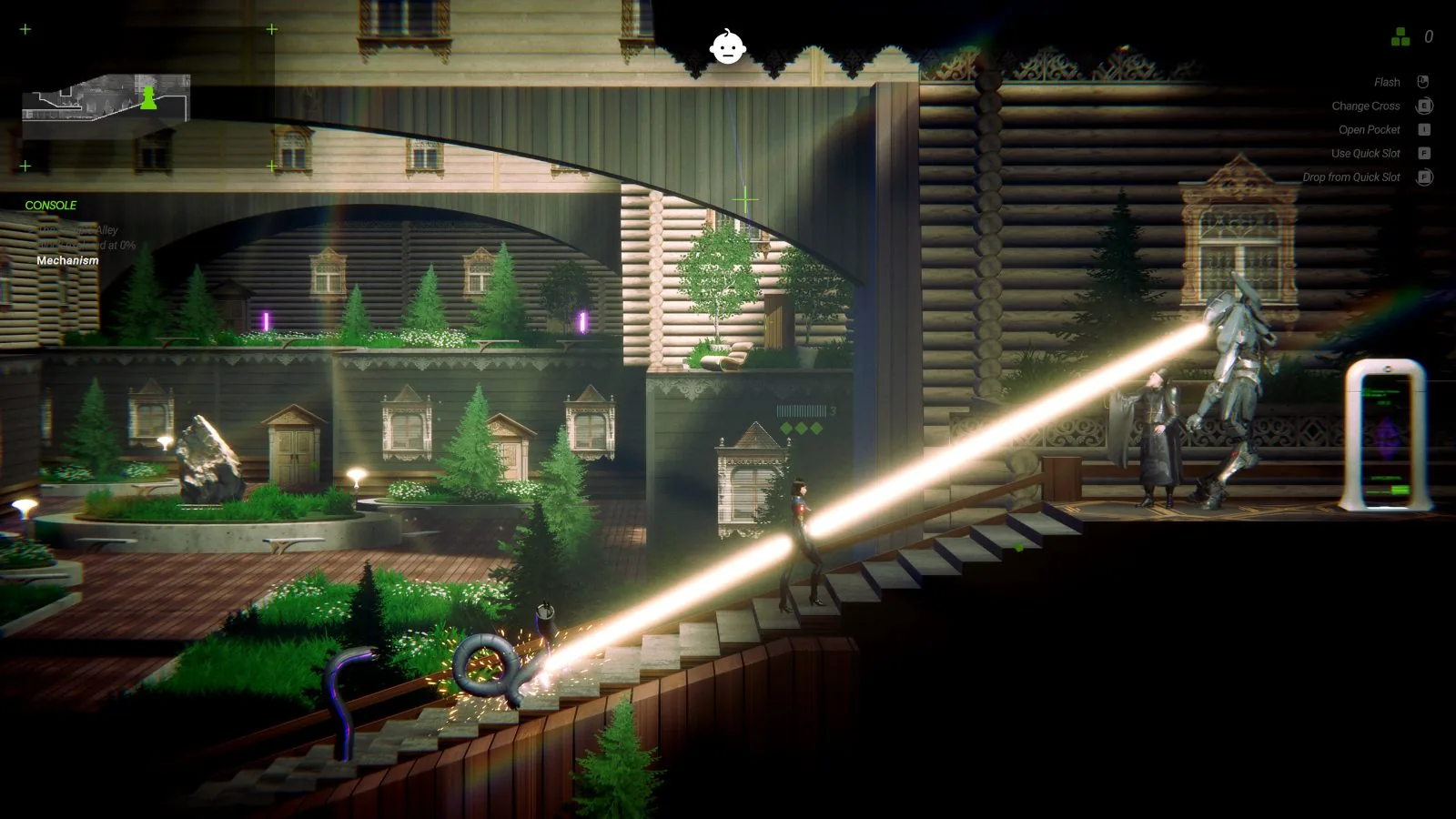
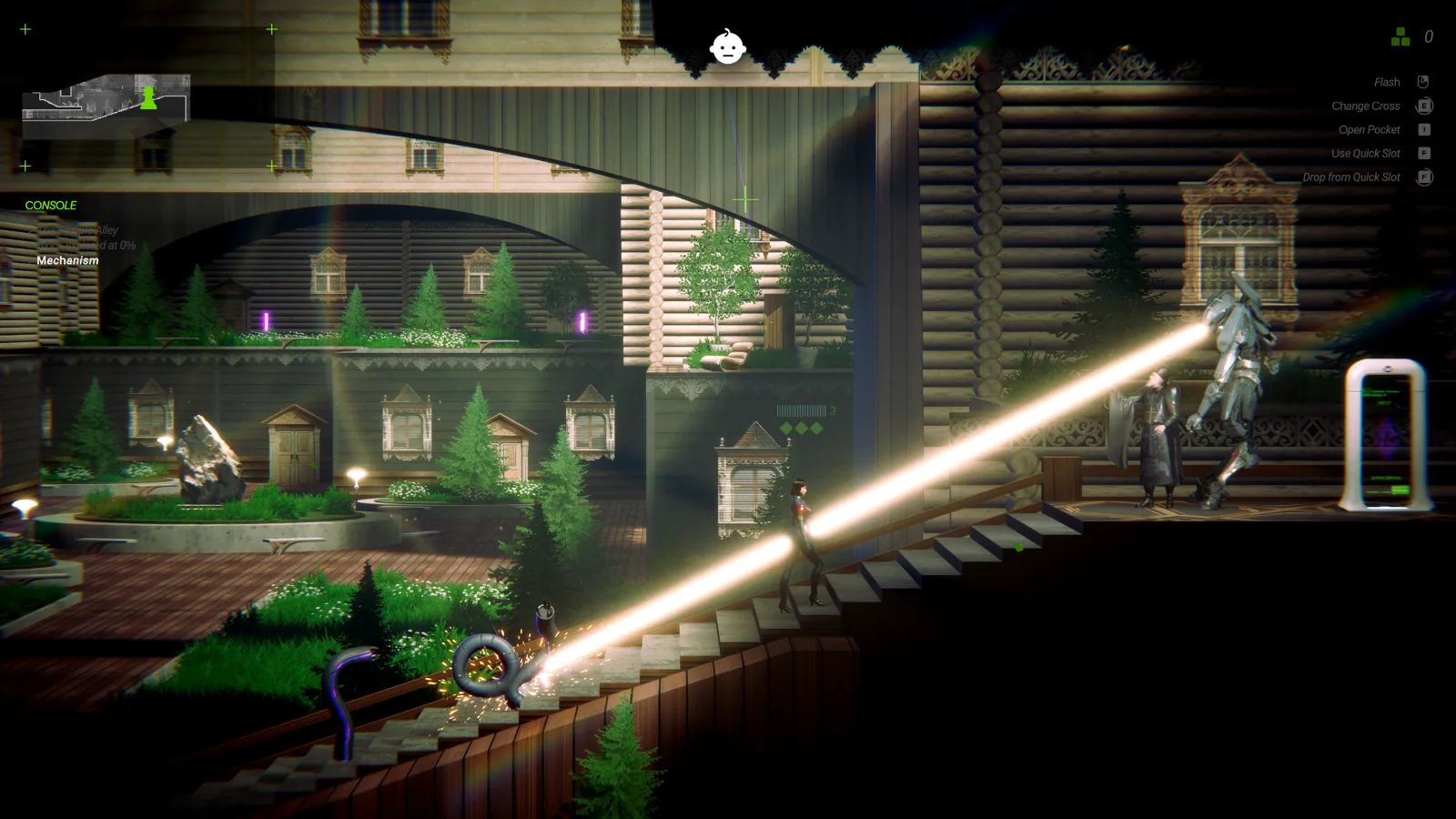
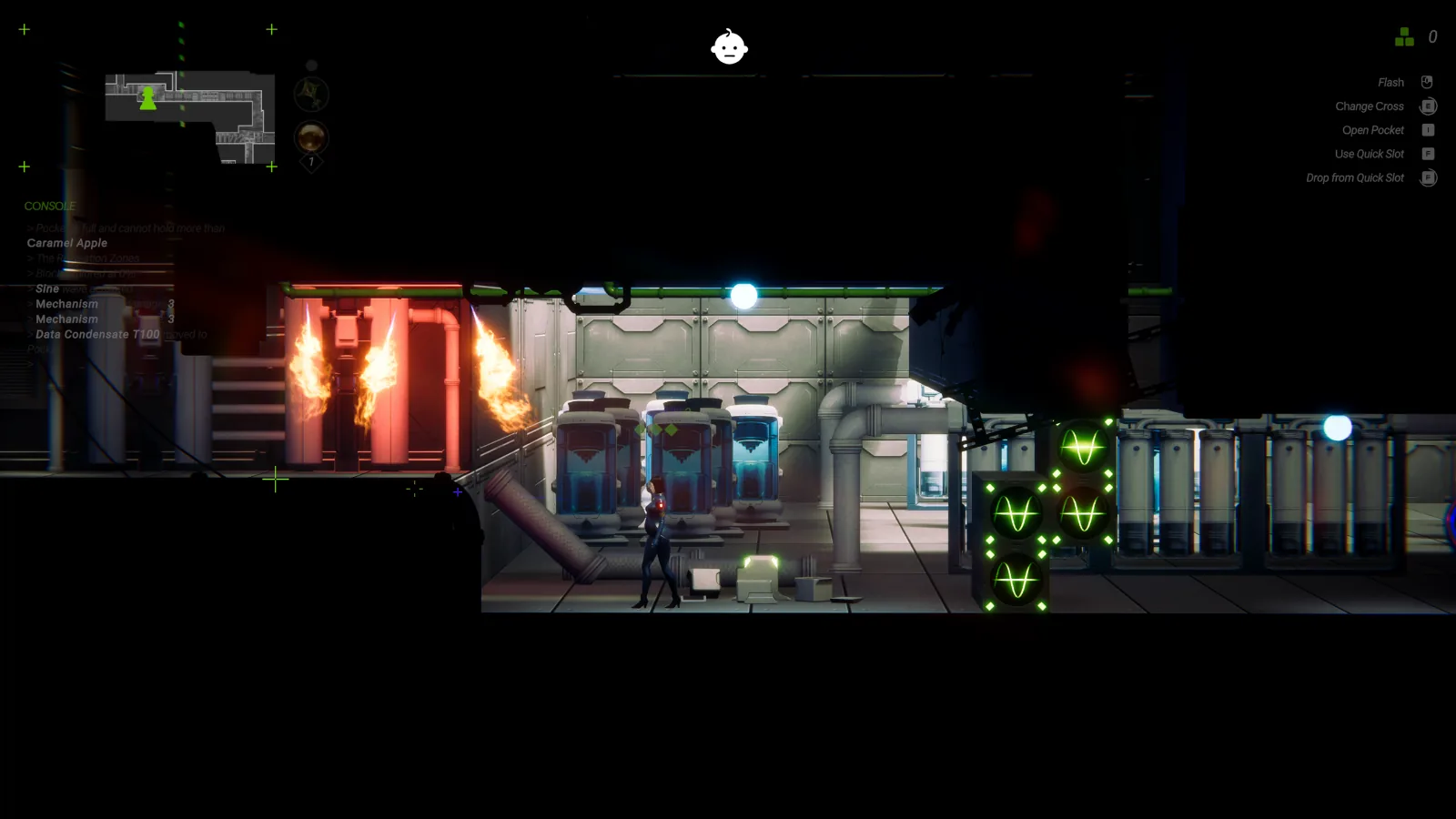
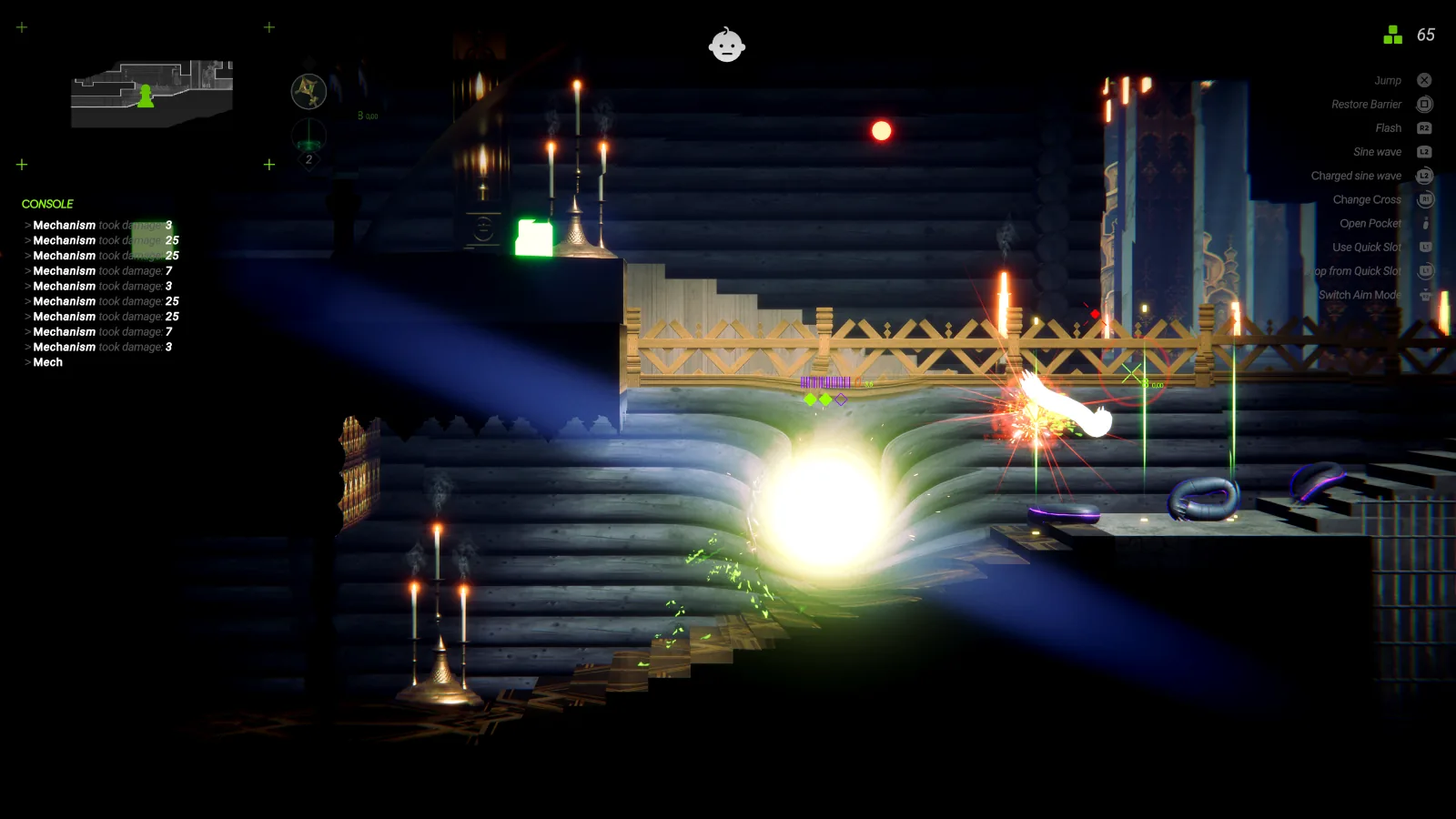
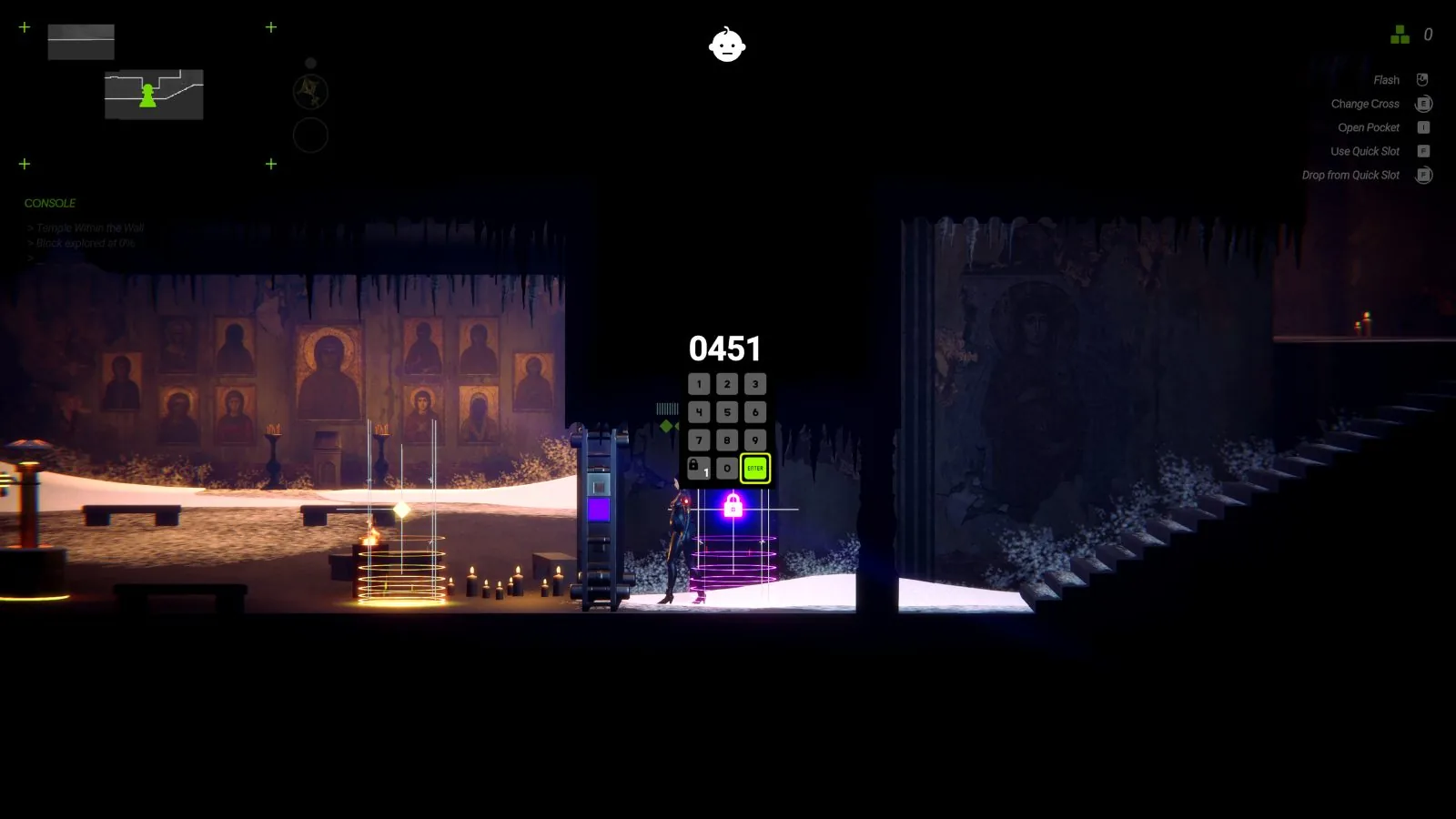
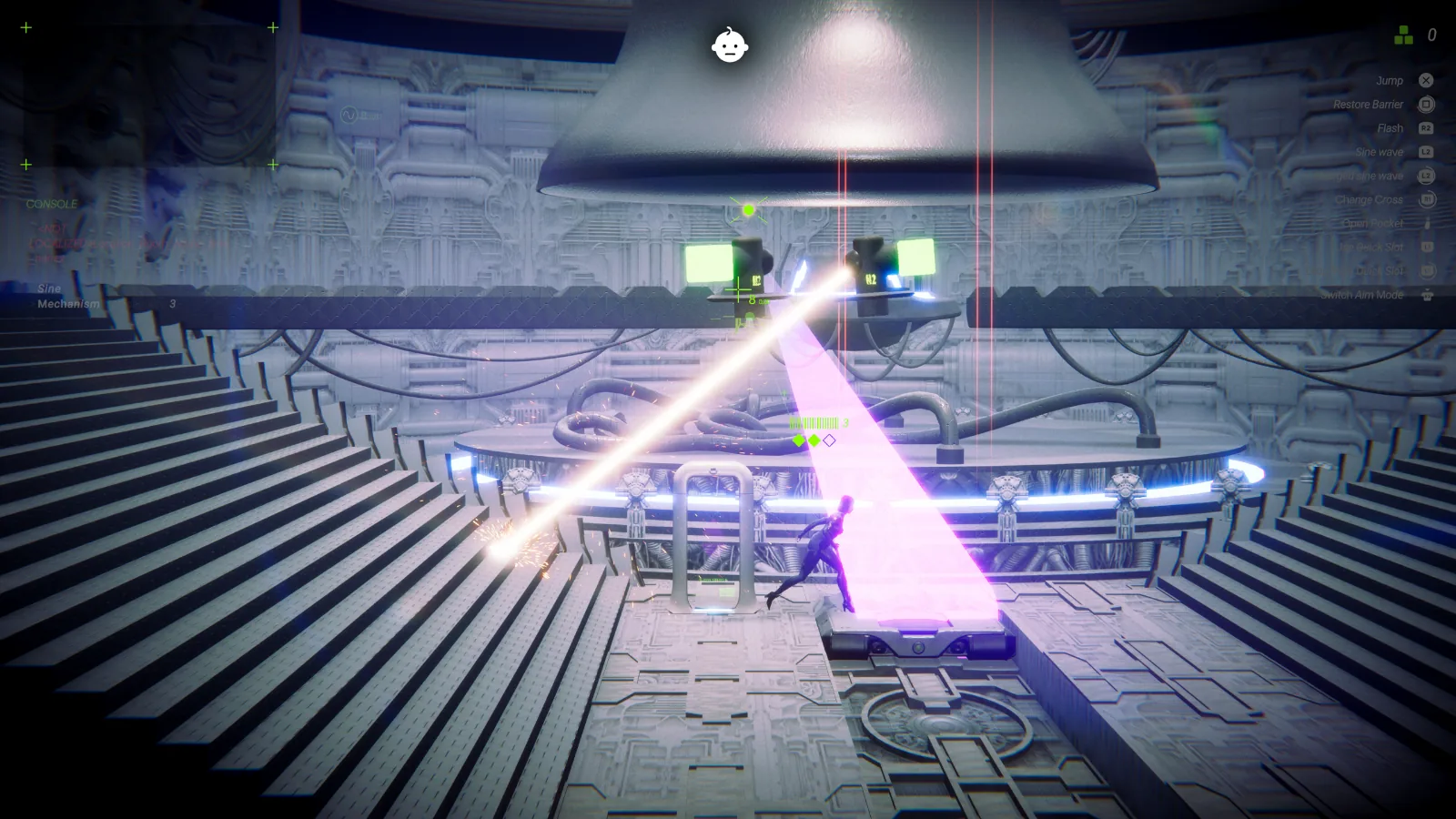
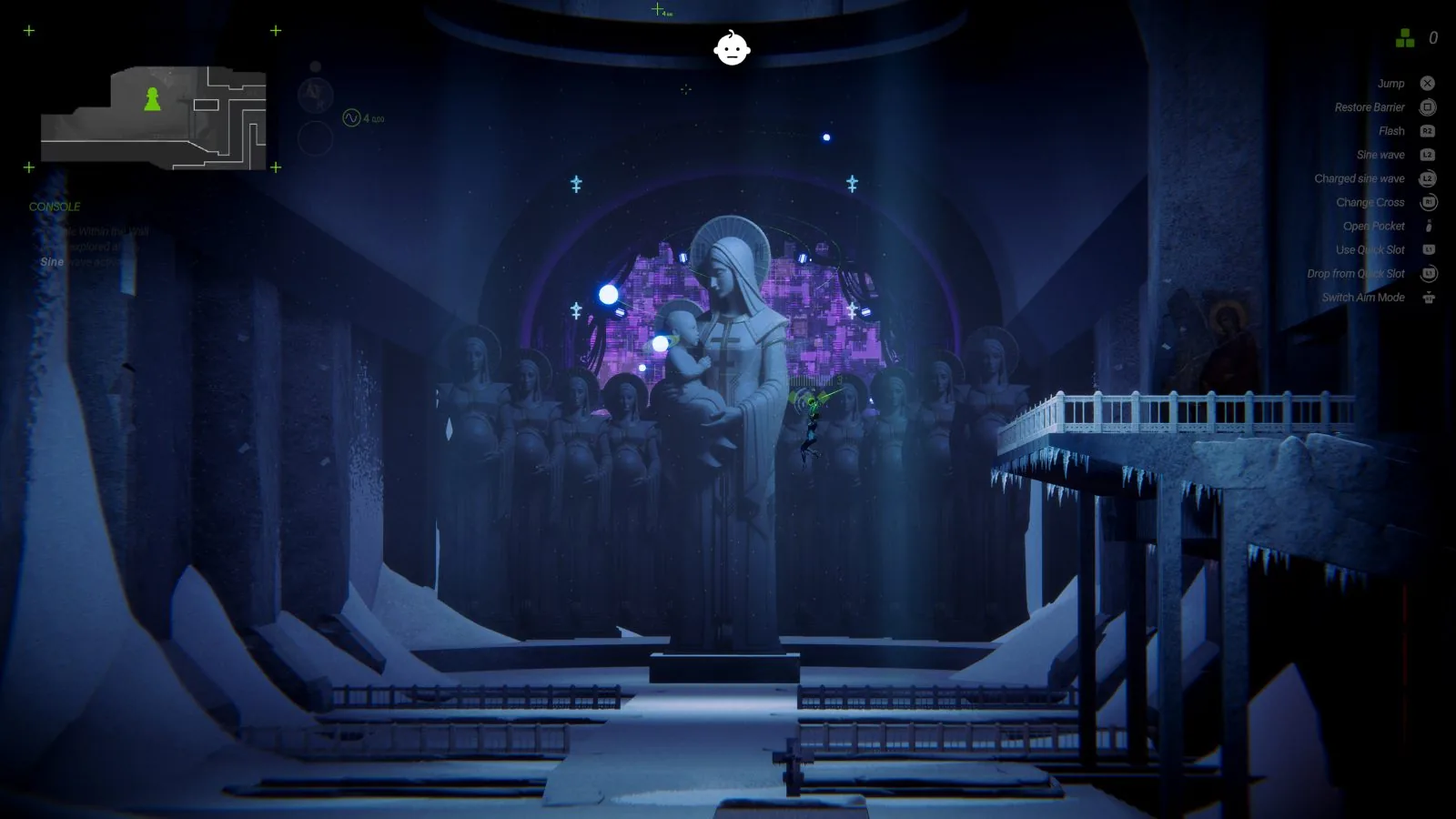
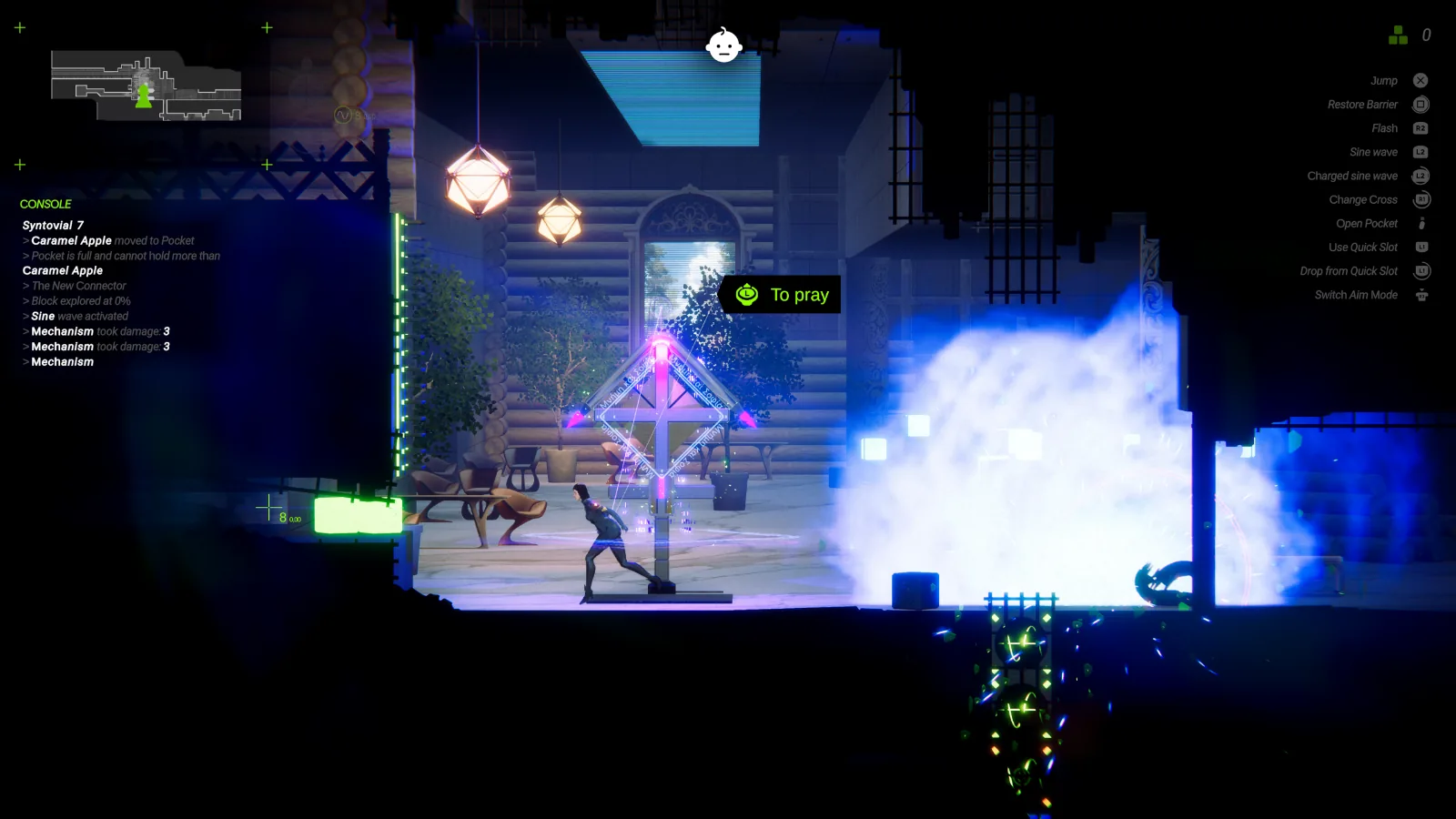
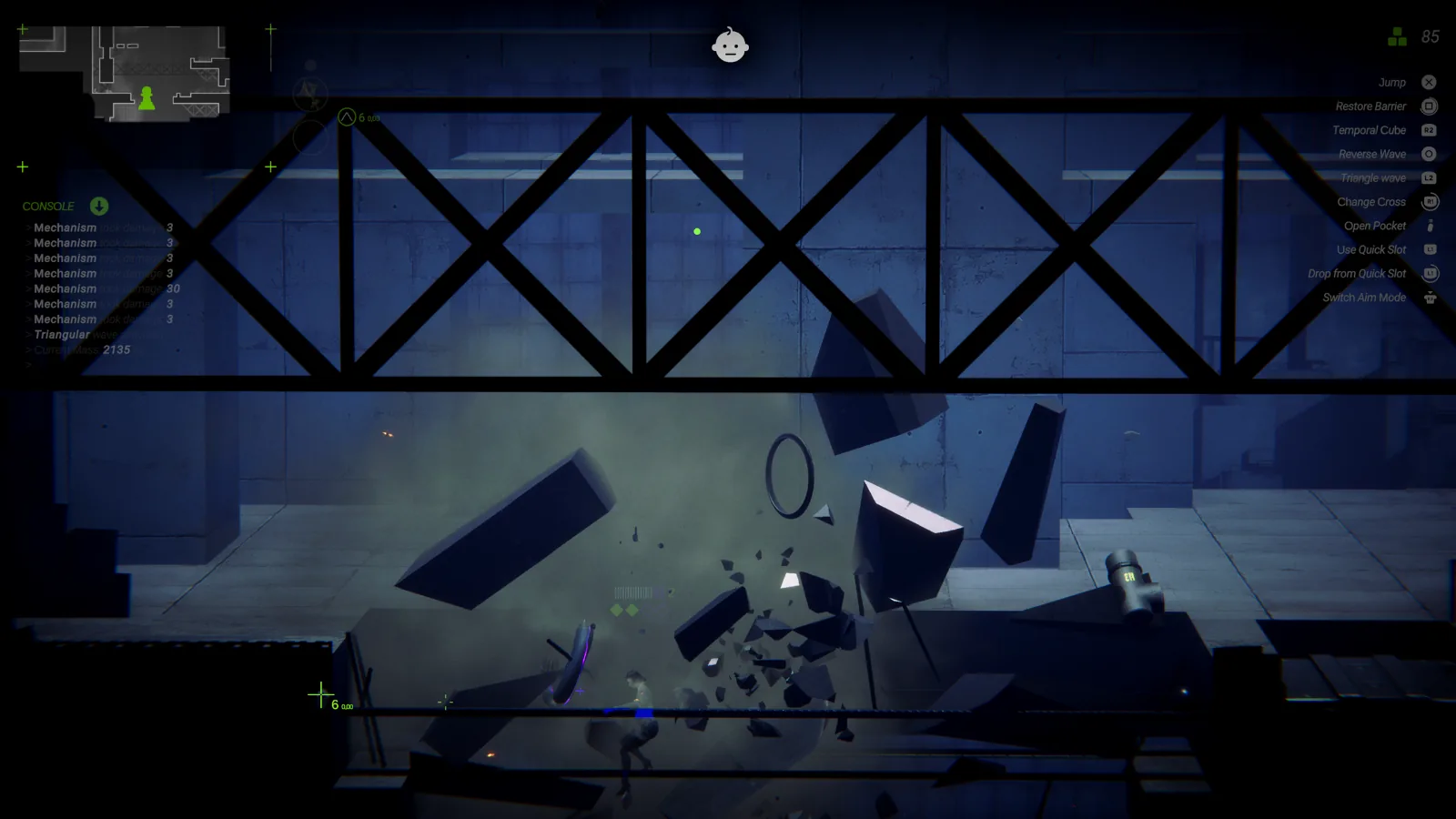
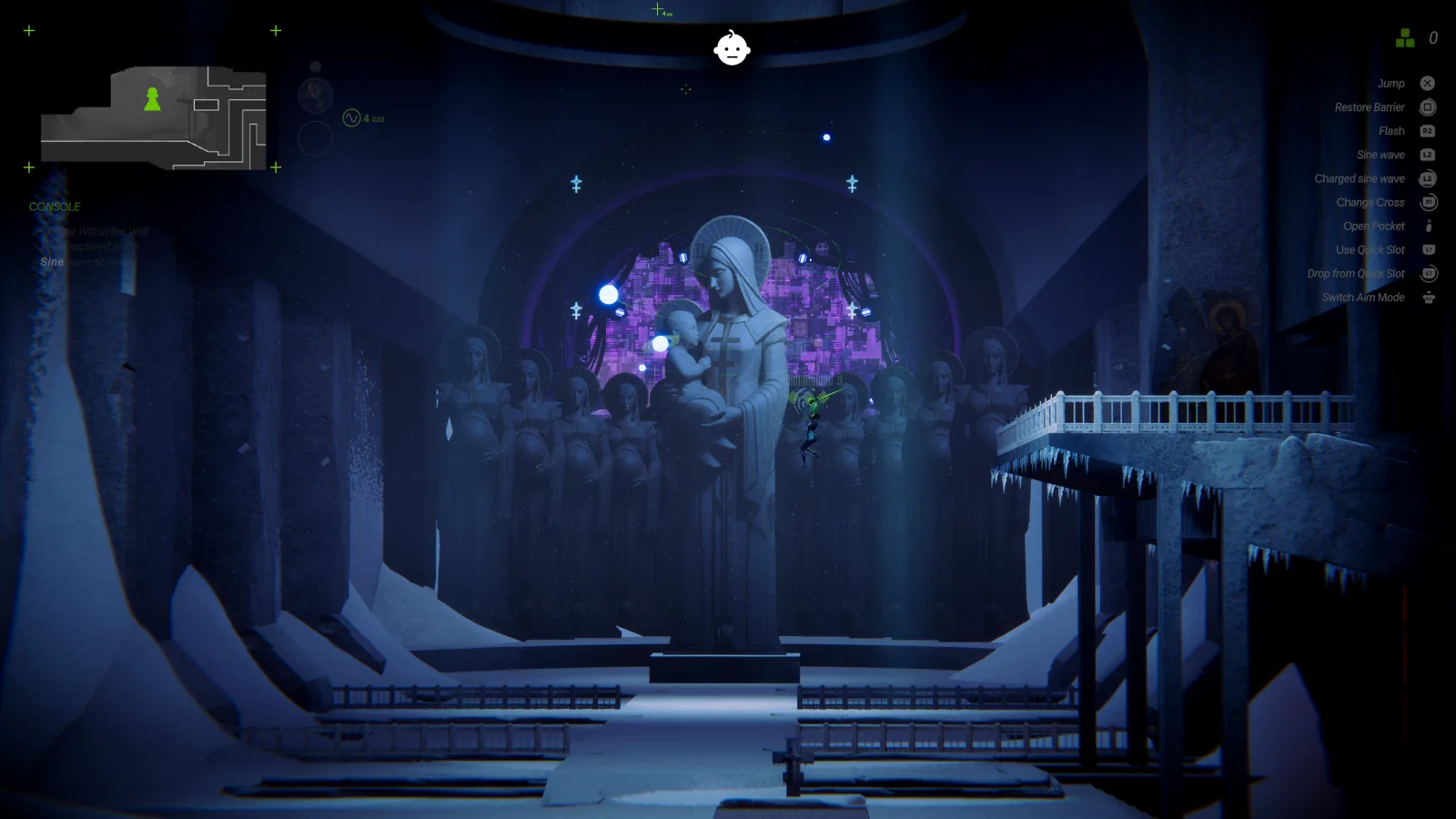
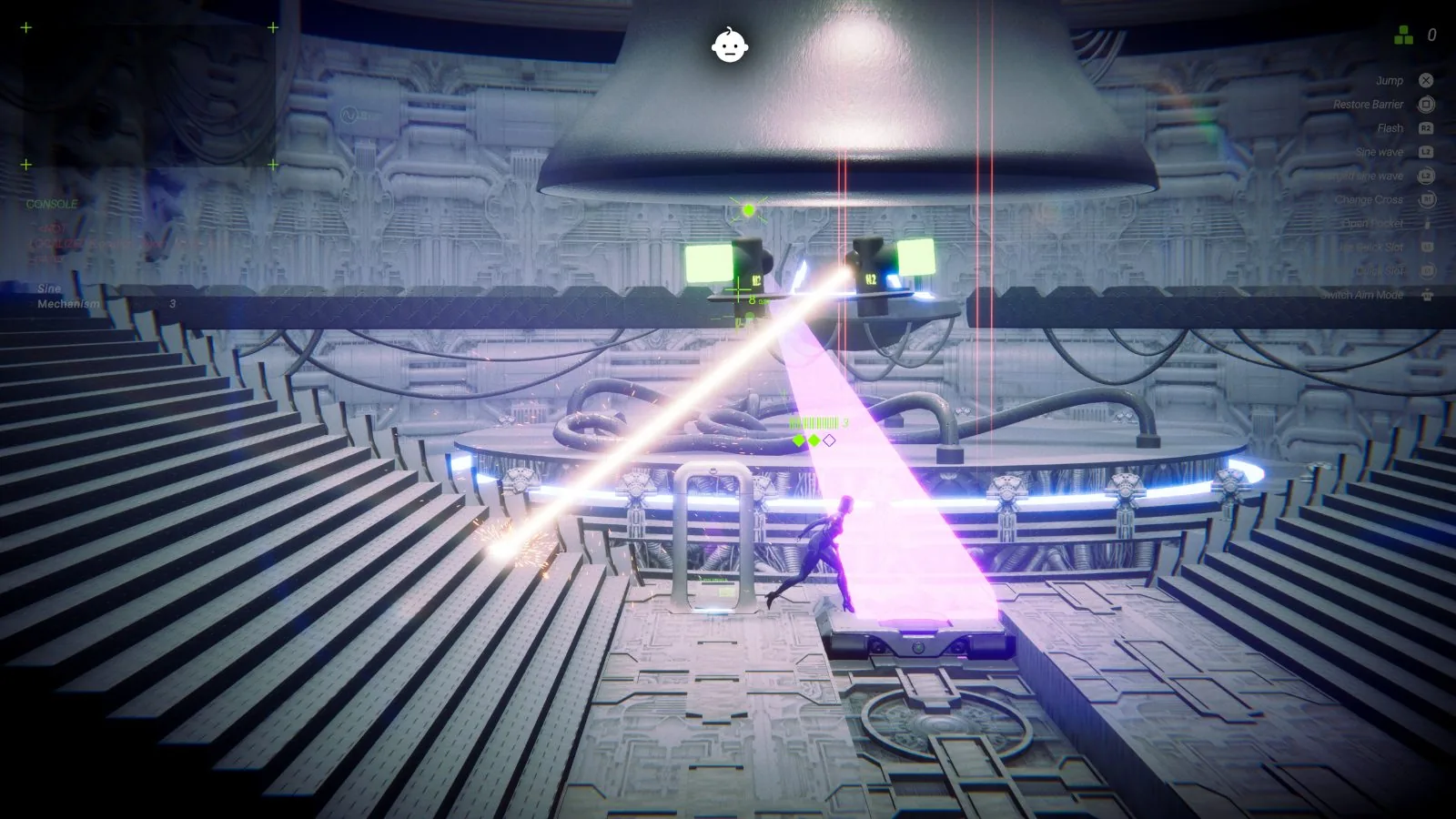
Wooden architecture interwoven with post-Soviet industry, and the aesthetics of Eastern European Christianity fused with science fiction.
02 / About the Game
The world of Orthodoxpunk

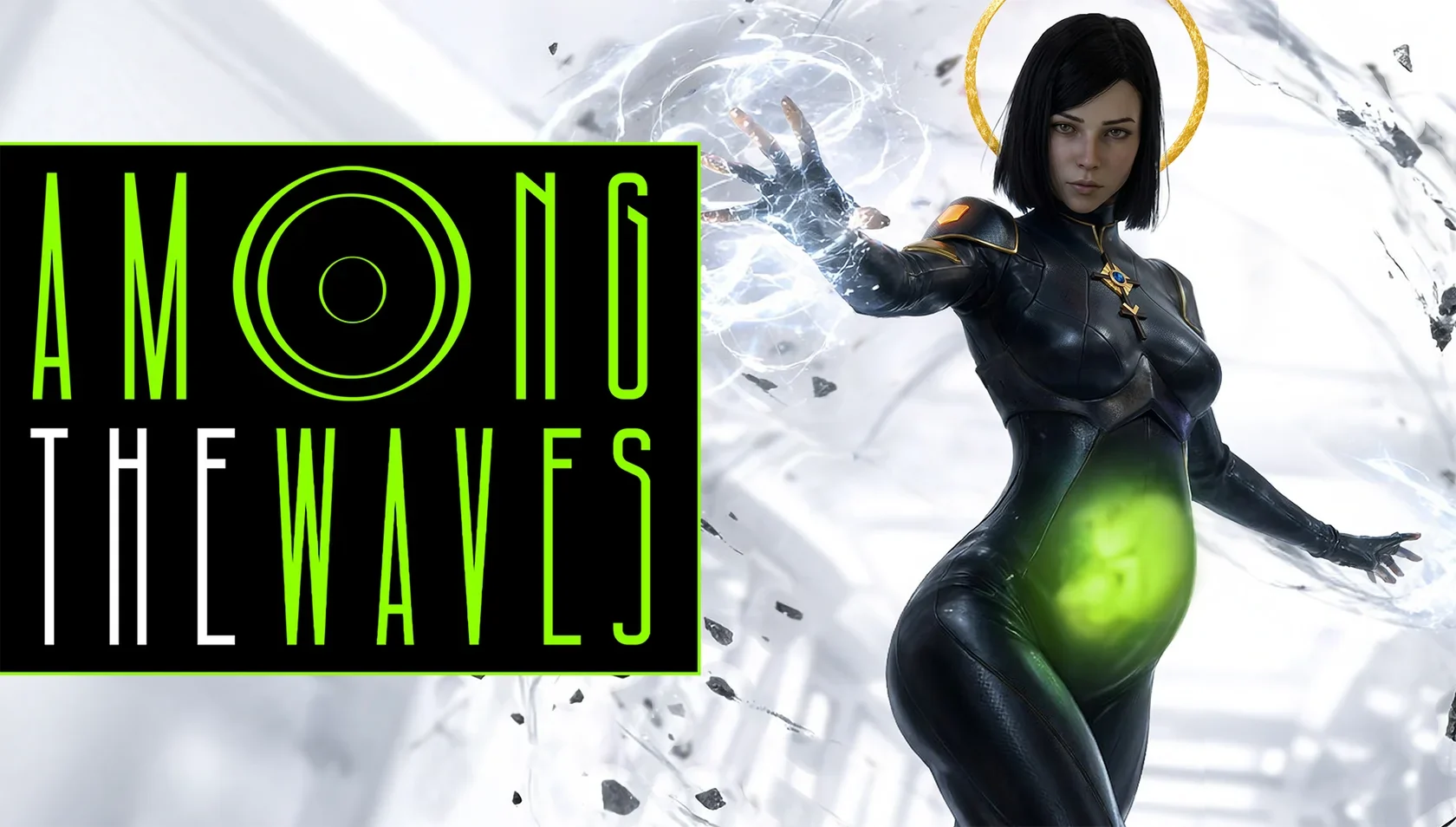
Among the Waves is an auteur indie game that immerses you in the world of Orthodoxpunk — a technological apocalypse in humanity's distant future, where science is inseparably bound to religion. It is set in the mega-fortress Alatyr-M, a refuge for the last people on Earth.
The protagonist is a mysterious woman who has arrived with a mission of cosmic proportions: to give birth to a new god who will save a dying humanity. The entire concept is built around pregnancy and birth — and through it the author explores the role of the mother in culture and society.
Add to wishlist →03 / VS·STUDIO
Manifesto
The metroidvania genre is oversaturated. A tag that once promised the exploration of a cohesive, mysterious world now stands for a collection of familiar mechanics. Among the Waves answers this problem in the following way:
-
A deconstruction, not a clone
It is not a Hollow Knight clone, not yet another variation on Metroid, and not a spiritual successor to Castlevania. It is a deconstruction of the genre — with its own perspective on its foundations, and with mechanics found in no other game of its kind.
-
Orthodoxpunk
A new visual and narrative aesthetic you've never encountered in any game before: a fusion of Eastern European Christianity and science fiction. Uncompromising attention to detail — no two rooms are alike, and every element of the world has its own story.
-
The heroine is the world
The character is not a function or a player avatar, but a philosophical concept around which the world and the mechanics are built. A pregnant woman wielding the power to break the laws of physics shatters the stereotypes of the genre. She is not a puppet through which you explore the world — she is the world.
-
Difficulty that rewards
We're building a hardcore game that many will finish, but only a few will fully grasp and master. We don't copy the surface attributes of hard games — difficulty becomes the defining foundation of the game design, rather than a cosmetic nod to passing trends.
-
The spirit of exploration
As trust in the "metroidvania" tag fades, we want to give players back the spirit of exploring a world full of secrets — the very spirit that once shaped the genre, yet slips further away from it with every passing year.
We want metroidvania to once again be a promise of encountering an uncharted world — one that does not reveal its secrets to just anyone, and does not end the moment the last door is opened.Add to Wishlist
01Who asks the questions, and who are the answers addressed to?
The questions come from people who stumble across our game on social media — these are literally our frequently asked questions. The answers are addressed to those who want the real answers, coming straight from the project's creator.
02Why is the protagonist pregnant?
There are two answers: a narrative one and a conceptual one.
Narratively, this world revolves around the idea of birth. The god of this world is called the Firstborn, people haven't witnessed a live birth in hundreds of years, and the heroine is a demigoddess who embodies the legend of a true pregnancy — and carries within her a candidate to become the new God.
Conceptually, this is a story about the difficulty of choice and its consequences, told through game mechanics. And pregnancy — which always confronts a woman with a hard choice (or leaves her none at all) — fits this concept perfectly.
03How does pregnancy affect gameplay?
It’s the foundation of the gameplay loop, and "The Hour of Birth" is literally a game-mechanics term. The child has its own stats and a separate interface. These change when the child sleeps or receives nutrients from the mother. The child also has a mood: when it’s good, the heroine’s abilities are enhanced; when it’s bad, she becomes more vulnerable. The mood shifts depending on how the heroine uses her abilities and items. You can interact with the child through a mini-game — lull them to sleep, improve their mood, or strengthen their bond with the mother.
04How does the game differ from others in the genre?
The player’s actions come at a cost and carry consequences. Take the shortcut, or spend the child’s strength on a useful upgrade? Use abilities or consumable items? Slip past enemies through a hidden route, or fight? Help a character by giving away a valuable resource, or keep it for yourself? But above all, every action brings "The Hour of Birth" closer or pushes it back — and its arrival changes the game irreversibly.
There are no standard abilities like a dash or double jump — instead, the heroine slows time within a chosen area, teleports, and alters the mass of her own body. Abilities can be combined with one another or used in unexpected ways. And abilities aren’t the only way to reach your destination — items can get you there too.
Finally, the world and narrative: a pregnant protagonist carrying a candidate for godhood, traditional wooden architecture interwoven with a post-Soviet industrial atmosphere, and the aesthetics of Eastern European Christianity fused with science fiction.
05That’s a lot of talk — where’s the proof? When’s the demo?
The demo is already available on Steam — you can try it right now.
In the demo, you can already: try out the child mechanics, use 7 active abilities and around ten passive ones, experience the hostile environment mechanics, use around ten consumables for exploration and combat, explore 20 unique locations, try both 2.5D and 3D gameplay, meet 4 characters, fight 2 bosses and 6 enemy types — and much more.
06Why the skintight suit?
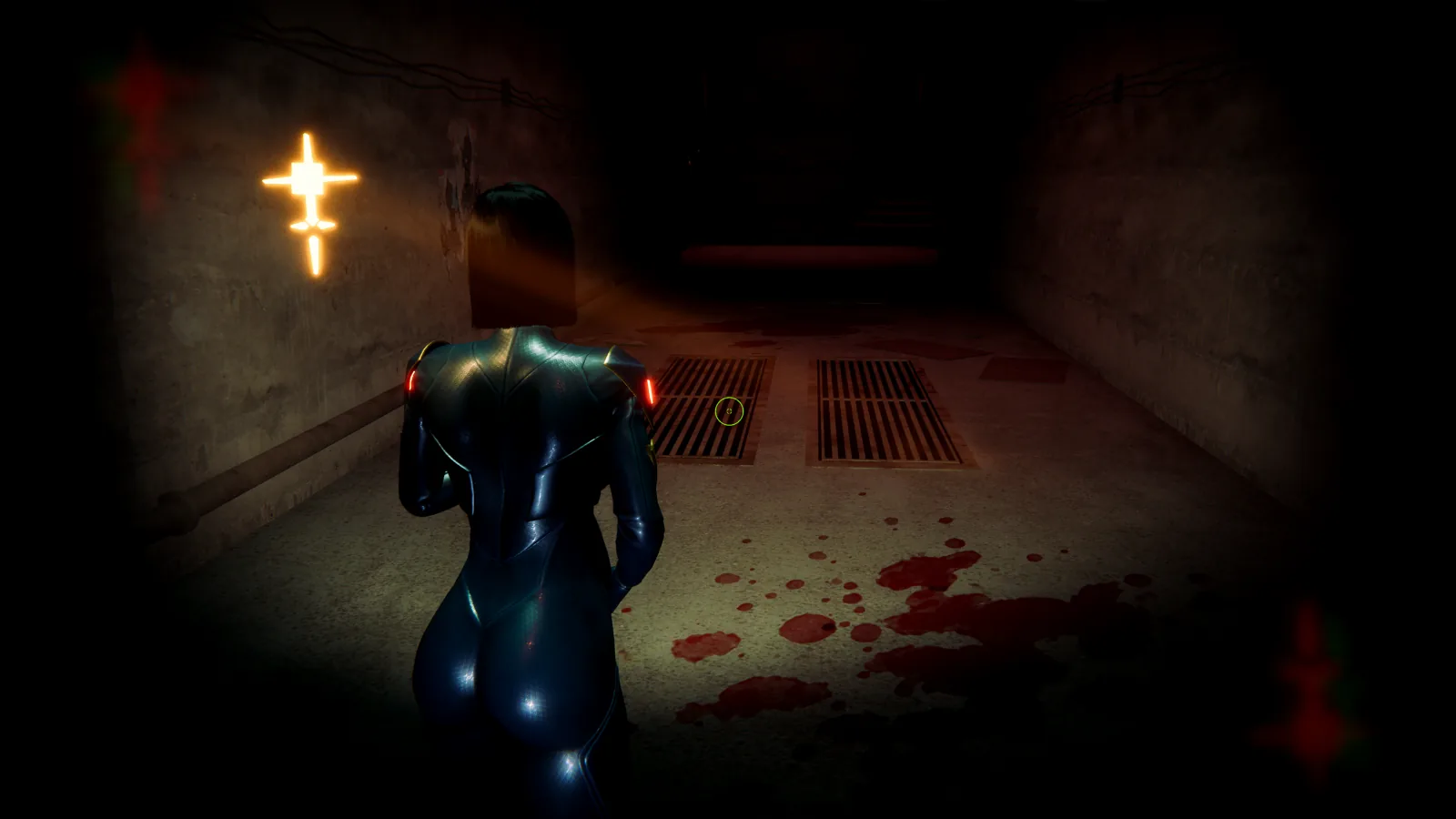
Skintight suits have become a symbol of science fiction in popular culture, and we're paying tribute to that tradition. The suit references compression diving suits, which echoes the title of our game and is reflected in the gameplay. In the game it's called the prenatal suit: it supports the belly, optimizes muscular energy, monitors biometrics, regulates body temperature, and doesn't restrict movement.
07A pregnant woman in heels?
We studied how pregnant women move and chose pregnant athletes from bodybuilding and fitness disciplines as our reference. In our view, it's precisely this image of a pregnant woman that brings together the beauty, strength, willpower, and determination our heroine needs for her mission. We didn't just pick this direction — we consulted with active athletes who were pregnant at the time and used recordings of their movements for the heroine's animations, including a world champion and stage posing coach. The heels are essential to supporting this image. We talked about this on our Steam page.
08How can a pregnant woman act so recklessly — running, jumping?
She is no ordinary human. Her power lies in her child — a candidate for godhood, a superbeing with nearly limitless abilities who doesn’t yet know how to control them. It is the child who grants her the power to "bend" the laws of physics. By temporarily warping gravity around the heroine, the child lets her fall from any height, jump high, and even teleport or slow down time.
The heroine cannot be harmed — she cannot even die; such are the laws of our world. Her child shields her from any damage, even potential damage, pushing her away from threats or even moving her to a safe place.
These abilities are at once her strength and her chains.
09What is the role of Christianity in the game? Orthodoxpunk?
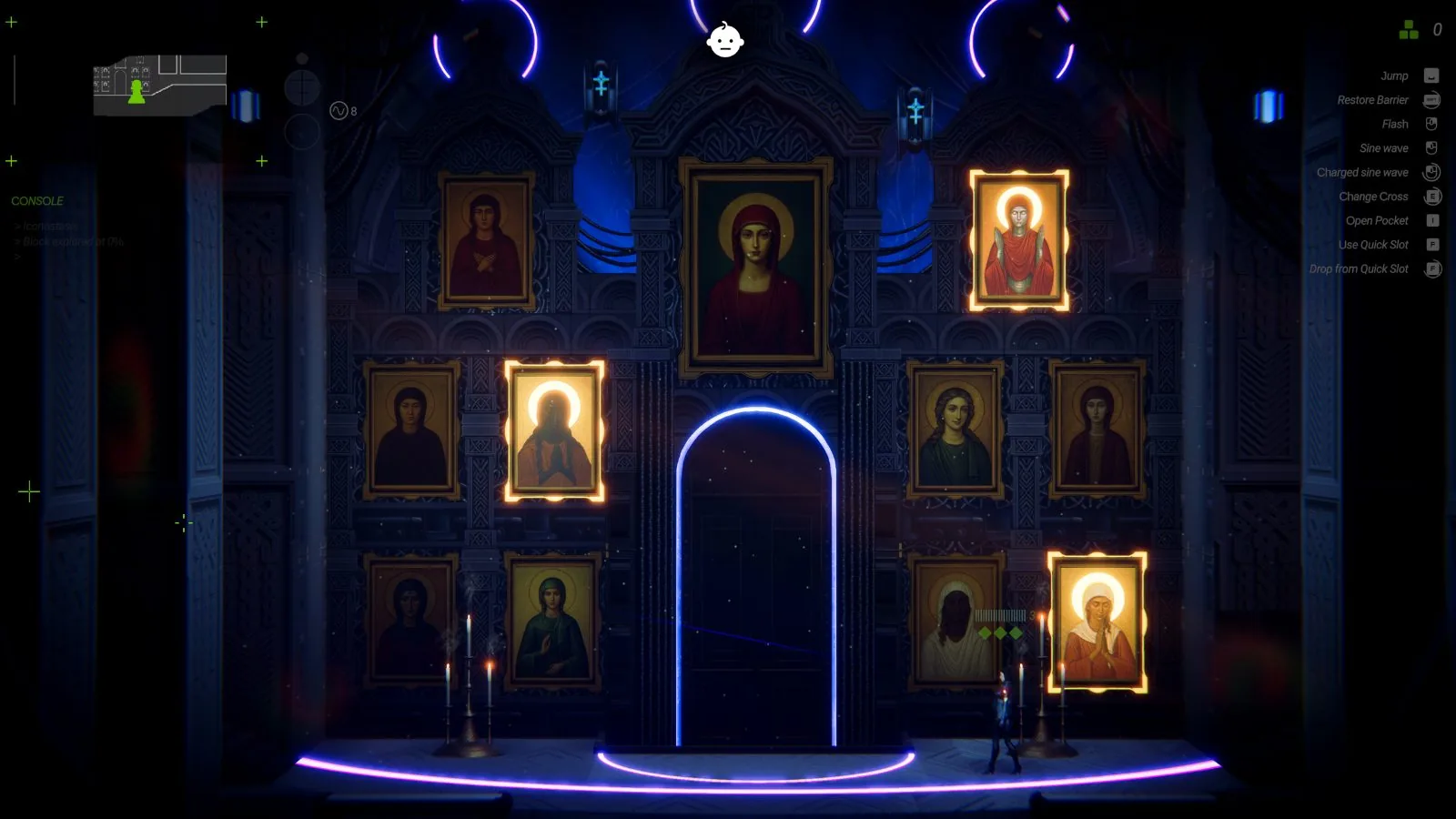
First and foremost, we use the aesthetics of Eastern European Christianity: icons, candles, domes, crosses — the dark vaults of monasteries standing side by side with the golden splendor of cathedrals. The religion of the Church of the Firstborn itself is invented, and it's more a metaphorical Christianity than a direct imitation. But the characters involved in church affairs wrestle with thoroughly Christian problems: practical utility versus sincere faith, dogma versus interpretation, secularism versus the church. And just as with Christianity, there are no simple, right answers.
10Why is she fighting at all while pregnant?
She has no choice. She must open the Doors of Birth, or both she and her child will perish. Time itself and the crazed inhabitants of the Alatyr-M fortress are working against her. She managed to survive and make it to this place — already a great feat — so there's nothing left for her but to take fate into her own hands. That's from the perspective of the game's world.
From the perspective of the concept: we are deconstructing the 2D action-adventure genre. To do that, we need to change, rethink, and even break the stereotypes and principles entrenched in the genre. A pregnant protagonist couldn't be better suited to the role of hero in a game like this.
11Is this a fetish/sex/hentai game?
No. The game will not feature "sex, lactation, huge exposed bellies," or anything of the sort. Even the heroine’s outfit, while it does accentuate her silhouette, covers her body completely, leaving only her fingertips and head exposed.
Yes, the game does include a few harmless provocative touches in the spirit of the Miranda butt shots in Mass Effect 2’s dialogue scenes. However, these relate to female sexuality in general rather than to pregnancy as such, and they don’t play any meaningful role.
We can’t stop anyone from seeing their own fetish in the game — just as we can’t prevent the appearance of mods adding nudity or an enlarged belly. But we set no such goals for ourselves, and we’re not working in that direction.
12Who is the father?
Christian scripture holds that the father of Jesus is God himself. A secular reading of the biblical texts tells us it was most likely Joseph. We will never know the truth — if "truth" is even a meaningful word in this context. It’s the same in our game: who could be the father of a divine child? The scripture of the Church of the Firstborn claims it is God himself. Yet the heroine arrives at the fortress aboard a high-tech drone rather than descending from the heavens. Who knows how things really stand?
13Why are you doing all this?
We're making our dream game — the one we want to play ourselves.